

Renewable Energy Integration in Buildings: Solar, Wind, and Beyond
6.5K
Contents
What is Renewable Energy?
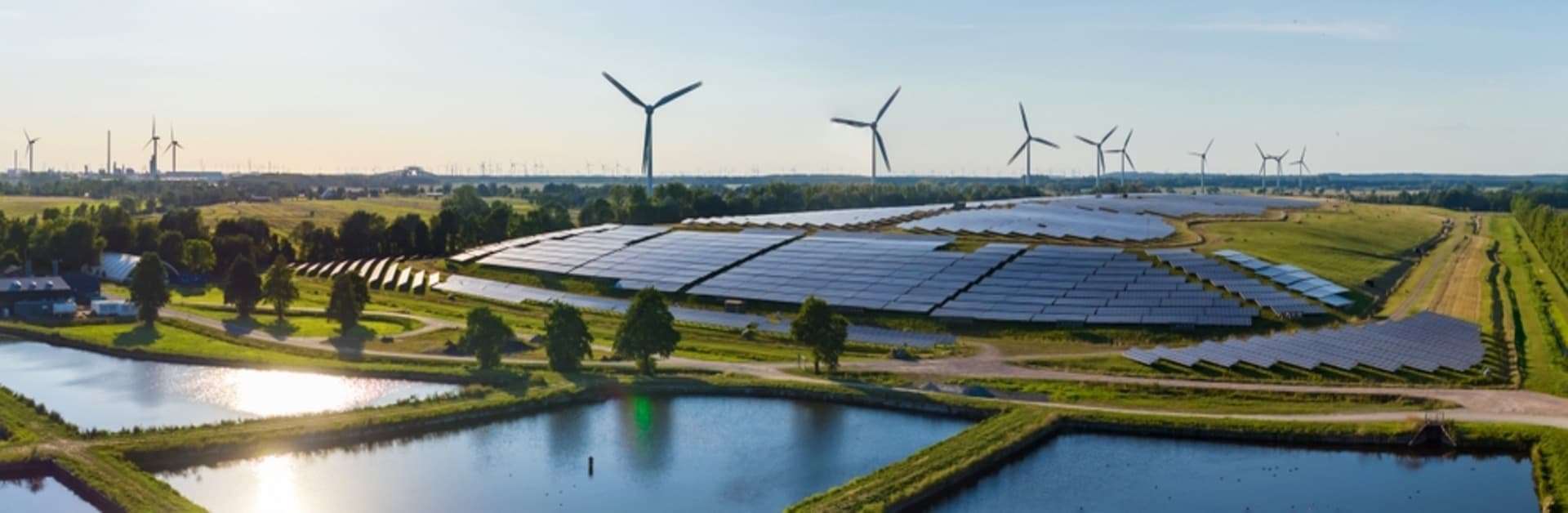
Renewable energy comes from natural sources that are constantly replenished, such as sunlight, wind, rain, tides, and geothermal heat. Unlike fossil fuels, which are finite and harmful to the environment, renewable resources are sustainable and environmentally friendly. As the world increasingly focuses on reducing carbon footprints and combating climate change, the integration of renewable energy in various sectors, including real estate, has become a critical component of sustainable development.
How Does Renewable Energy Impact Real Estate?
Integrating renewable energy in buildings offers numerous benefits for property owners and the environment. By utilising renewable energy sources, buildings can significantly reduce their reliance on non-renewable energy, leading to lower utility bills and operational costs. Additionally, properties with renewable energy systems often see an increase in value and attractiveness to eco-conscious buyers and tenants.
Moreover, renewable energy integration helps in achieving green building certifications, such as LEED (Leadership in Energy and Environmental Design), which can further enhance a property's marketability. It also contributes to creating healthier living and working environments by reducing greenhouse gas emissions and pollution. In essence, renewable energy integration or solar energy buildings not only promotes sustainability but also provides economic advantages and enhances the overall appeal of real estate.
Types of Renewable Energy Integration
Solar Energy
- Photovoltaic (PV) Panels: This solar rooftop system include panels that convert sunlight directly into electricity and can be installed on rooftops, facades, or even integrated into building materials like windows.
- Solar Water Heaters: These systems use solar energy to heat water, reducing the need for conventional water heating methods to sustainable water heating solutions.
- Solar Lighting: Solar-powered lighting systems use solar panels to charge batteries during the day and provide lighting at night, reducing electricity consumption.
Wind Energy
- Small Wind Turbines: These can be installed on rooftops or open areas around buildings to generate electricity from wind.
- Building-integrated Wind Turbines: Some modern buildings use wind turbines to harness wind energy efficiently.
Geothermal Energy
- Geothermal Heat Pumps: These systems use the stable temperature of the ground to heat and cool buildings, providing an energy-efficient alternative to traditional HVAC systems.
- Geothermal Power Plants: In areas with significant geothermal activity, these plants can generate electricity that is distributed to nearby buildings.
Hydropower
- Micro-Hydropower Systems: These small-scale systems can be installed in properties with access to flowing water to generate electricity.
Biomass Energy
- Biomass Boilers: These systems use organic materials like wood pellets, agricultural waste, or dedicated energy crops to produce heat and power buildings.
The Final Word
The integration of renewable energy in buildings or the power of solar for houses is a forward-thinking approach that aligns with global sustainability goals. The real estate sector can significantly reduce its environmental impact, lower operational costs, and enhance property value by adopting solar, wind, geothermal, hydropower, and biomass energy systems. As technology advances and renewable energy becomes more accessible, the adoption of these systems in real estate is set to grow, paving the way for a greener, more sustainable future. Godrej Properties follows a sustainable Godrej Properties project, keeping in mind sustainability and comfort.